
BJJ Belt Size Guide: A Comprehensive Overview (Updated 02/03/2026)
Navigating Brazilian Jiu-Jitsu (BJJ) belt sizing requires understanding waist measurements, correlating lengths, and considering factors like height, weight, and gi usage for a proper fit.
Understanding BJJ Belt Sizing Fundamentals
BJJ belt sizing isn’t solely about rank; it’s fundamentally linked to a practitioner’s physical dimensions, primarily waist circumference, mirroring the approach to Gi (uniform) sizing. Accurate measurement is paramount, initiating with placing a belt end at hip level and encircling the waist, ensuring a comfortable, secure fit.
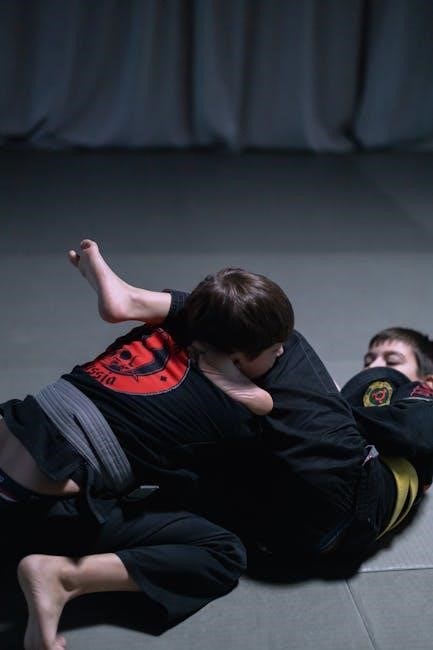
Belt lengths vary, typically ranging from approximately 77 inches for smaller sizes up to 158 inches for larger adults, influencing the number of wraps and visible tail ends. Standard widths are around 1.76 inches, though variations exist.
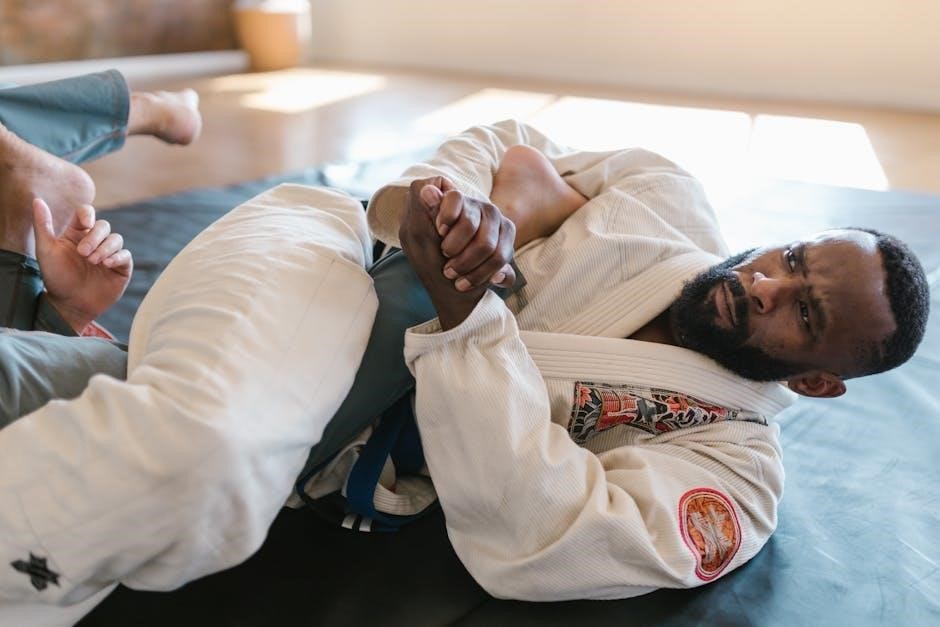
Understanding that belt size dictates not just fit but also aesthetics – the desired number of tail ends (typically 12, but preferences range up to 18 or more) – is crucial. Choosing the correct size ensures both functionality during training and adherence to traditional BJJ presentation standards. This foundational knowledge sets the stage for a precise and personalized belt selection.
Why Accurate Belt Sizing Matters
Precise BJJ belt sizing extends beyond mere aesthetics; it directly impacts training functionality and respect for the art. An improperly sized belt can be a significant distraction during grappling, potentially loosening mid-roll, creating a safety hazard, or hindering movement. A belt that’s too tight restricts comfort and blood flow, while one that’s too loose presents a tripping hazard.
Furthermore, belt presentation is a deeply ingrained aspect of BJJ culture. The length of the tails – the hanging ends after tying – signifies experience and adherence to tradition. A correctly sized belt allows for the appropriate number of tails, typically around 12, but customizable to preference.
Choosing the right size demonstrates respect for the lineage and standards of BJJ. It reflects a commitment to proper technique and presentation, contributing to a positive training environment and upholding the integrity of the martial art. It’s a small detail with significant implications.
Measuring Your Waist for BJJ Belt Selection
Accurate waist measurement is the cornerstone of selecting the correct BJJ belt size. Begin by standing naturally, avoiding any intentional cinching or expansion of your abdomen. Use a flexible measuring tape – a fabric one is ideal – and position it at your natural waistline. This is generally located approximately one inch above your hip bones, or where you naturally bend when standing.
Ensure the tape measure is level all the way around your torso, and not too tight or loose. A snug, but comfortable fit is crucial for an accurate reading. Have a training partner assist if you find it difficult to reach around and read the measurement yourself. Record the measurement in inches.
It’s recommended to measure yourself while wearing typical training attire, such as a gi or shorts, to account for any added bulk. This will provide a more realistic measurement for belt sizing. Refer to the standard adult or kids’ belt size charts, using your waist measurement as the primary guide.
Standard Adult BJJ Belt Size Chart
The following chart provides a general guideline for adult BJJ belt sizes, based on waist measurements. Please note that variations can occur between brands, so it’s always best to consult the specific brand’s size chart when available. This chart assumes a standard 1;76-inch wide belt.
Here’s a common sizing reference:
- A0: 106 inches
- A1: 110 inches
- A2: 114 inches
- A3: 118 inches
- A4: 124 inches
- A5: 138 inches
- A6: 158 inches
- C00: 77 inches
- C0: 81 inches
- C1: 85 inches
- C2: 88 inches
- C3: 96 inches
These sizes correlate to approximate waist measurements. Remember to prioritize a comfortable fit, allowing for sufficient length to tie securely with multiple wraps and desired ends. Consider your personal preference for the number of wraps and ends when selecting your size.
FUJI BJJ Belt Size Chart Details
FUJI, a respected name in martial arts equipment, offers a detailed belt size chart designed for optimal fit and performance. Their chart is specifically calibrated for their standard 1.76-inch wide belts, aiming for approximately 12 ends after tying – though preferences vary.
FUJI acknowledges that some practitioners prefer more ends, potentially up to 18 or even more, for aesthetic or functional reasons. If you desire a longer belt with increased ends, it’s recommended to add extra inches to the standard length. This ensures sufficient material for comfortable tying and desired appearance.
FUJI emphasizes precision craftsmanship and high standards in their belt construction. Their promise centers around premium facility design and equipment dedicated to martial arts. The chart serves as a guide, but individual body types and tying preferences should also influence the final selection. Always double-check measurements for the best possible fit.
Common Adult Belt Sizes & Corresponding Lengths (Inches)
Understanding standard adult BJJ belt sizes is crucial for a secure and appropriate fit. Here’s a breakdown of commonly encountered sizes and their corresponding lengths in inches, providing a practical reference for selection.
Generally, sizes range from A0 to A6, with variations like C00, C0, C1, C2, and C3 also appearing. A0 typically measures around 101 inches, while A1 is 104 inches, A2 reaches 110 inches, A3 extends to 117 inches, A4 is 121 inches, A5 is 138 inches, and A6 can be as long as 158 inches.
Smaller sizes, such as C00 (77 inches), C0 (81 inches), C1 (85 inches), C2 (88 inches), and C3 (96 inches) cater to individuals with smaller waist measurements; Remember these are approximate lengths, and variations can occur between brands. Prioritizing accurate waist measurement remains the most reliable method for determining the correct belt size.
Kids’ BJJ Belt Size Chart
Selecting the correct BJJ belt size for children requires a dedicated chart, as adult sizing doesn’t translate effectively to smaller frames. Accurate measurement is paramount to ensure comfort and proper fit during training, fostering a positive learning experience.
Kids’ belt sizes are typically designated as K0 through K4, corresponding to increasing waist measurements. K0 generally fits waists around 82.5 inches, while K1 suits approximately 86.5 inches. K2 is designed for 90.5-inch waists, K3 for 94;5 inches, and K4 accommodates waists around 98.5 inches.
It’s important to note that these are guidelines, and individual builds can vary. Always prioritize measuring the child’s waist accurately. Consider allowing a little extra length for growth, but avoid excessive slack, which can be a safety hazard during grappling. A properly fitted belt enhances both performance and safety for young practitioners.
Belt Length and Number of Wraps/Ends
The length of a BJJ belt directly impacts how it’s tied and the number of “wraps” or “ends” remaining after tying the knot. This isn’t merely aesthetic; it influences comfort, security, and adherence to traditional standards within the art.
A standard BJJ belt, typically 1.76 inches wide, is often sized to leave approximately 12 ends after tying. However, preferences vary, with some practitioners favoring up to 18 or even more ends for a fuller, more traditional look. Adding extra inches to the belt length achieves this.
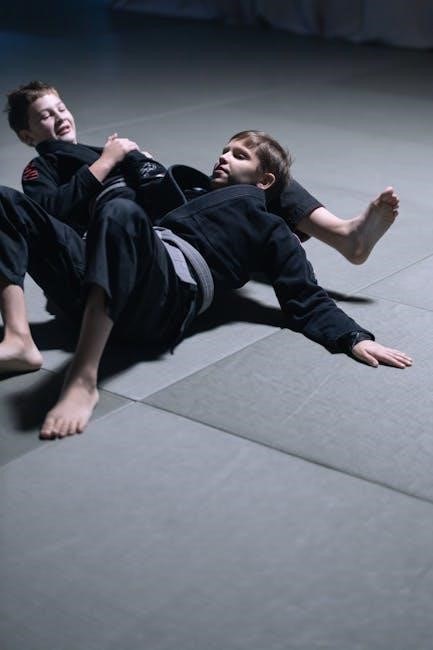
The number of wraps around the waist also affects the length needed. A single wrap is standard, but some individuals may prefer a double wrap, particularly those with larger builds. Generally, a longer belt provides greater versatility in tying styles and accommodates different body types. Ensuring sufficient length prevents the belt from coming undone during vigorous training, prioritizing safety and focus.
Factors Influencing Belt Size Choice
Selecting the correct BJJ belt size isn’t solely based on waist measurement; several factors contribute to finding the optimal fit. Height and weight are primary considerations, as they correlate with overall body size and the length of belt needed for a secure tie.
Body type also plays a role. Individuals with broader builds might require a longer belt to ensure adequate coverage and a comfortable knot. Furthermore, the type of gi worn impacts sizing. Thicker, heavier gis may necessitate a slightly longer belt to compensate for the added bulk around the waist.
Personal preference is also key. Some practitioners prefer a tighter, more secure fit, while others favor a looser, more relaxed feel. Considering these individual nuances, alongside accurate measurements, guarantees a BJJ belt that enhances training performance and comfort.
Height and Weight Considerations
Height and weight are foundational elements in determining appropriate BJJ belt sizing, acting as initial indicators of a practitioner’s overall physique. Generally, taller individuals require longer belts to accommodate their larger frames and ensure sufficient length for tying a secure knot with multiple wraps.
Similarly, weight influences belt size; heavier individuals typically need longer belts compared to those with lighter builds. However, it’s crucial to remember that height and weight are not definitive measures. A taller, slender person might require the same belt size as a shorter, more muscular individual.
Therefore, while height and weight provide a starting point, they should always be combined with accurate waist measurements for a precise fit. Utilizing a belt size chart that considers both factors offers a more reliable guide to selecting the correct length.
Body Type and Gi Usage
Beyond height and weight, individual body type and the type of Gi worn significantly impact optimal BJJ belt sizing. Athletes with broader builds, particularly around the hips and waist, may require a slightly longer belt to ensure comfortable and secure fastening, preventing constriction during training or competition.
Gi shrinkage also plays a crucial role. Pre-shrunk Gis maintain their size relatively well, but standard Gis can shrink after washing, potentially affecting belt fit. Consider this when selecting a belt, especially if you anticipate frequent washing of your Gi.
Furthermore, the thickness and cut of the Gi can influence how the belt sits and feels. A thicker, heavier Gi might necessitate a slightly longer belt to accommodate the added bulk. Ultimately, a personalized approach, combining measurements with consideration for body type and Gi characteristics, yields the best results.
Belt Materials and Their Impact on Sizing
The material composition of a BJJ belt directly influences its stretch, shrinkage, and overall feel, subsequently affecting sizing considerations. Traditionally, belts are crafted from cotton, but variations exist, including blends with polyester or rice straw, each possessing unique properties.
100% cotton belts tend to shrink more significantly after washing compared to synthetic blends. This shrinkage necessitates potentially ordering a slightly longer belt initially to account for the anticipated reduction in length. Blended belts offer greater dimensional stability, minimizing shrinkage and maintaining their size more consistently.
Furthermore, the weave density impacts the belt’s stiffness and how it holds a knot. Denser weaves are more rigid and may require a bit more effort to tie securely, while looser weaves are more pliable. Understanding these material nuances allows for a more informed belt size selection, ensuring optimal comfort and functionality.
Brand-Specific Belt Size Variations
While standard BJJ belt sizing charts exist, significant variations occur between different brands, necessitating careful attention to individual manufacturer specifications. FUJI, for example, provides a chart geared towards a standard 1.76-inch wide belt, anticipating approximately 12 ends after tying, though preferences can extend to 18 or more.

Other brands may utilize different widths, weave densities, or cotton sourcing, all impacting the final belt length required for a comfortable and secure fit. Some brands run “slim” or “generous” in their sizing, deviating from the average measurements. Always consult the specific brand’s size chart before purchasing, rather than relying solely on generic guides.
Reading customer reviews can also provide valuable insights into how a particular brand’s belts tend to fit. Considering these nuances ensures you select a belt that aligns with your waist size and desired number of wraps, avoiding the inconvenience of returns or exchanges.
Determining Belt Size Based on Rank
Traditionally, BJJ belt size isn’t solely dictated by rank, but rather by the practitioner’s waist measurement. However, as rank progresses, a slightly longer belt is often preferred to accommodate the symbolic significance of more wraps during promotion ceremonies. While a white belt might comfortably fit with a standard length, a black belt often benefits from extra length for a visually impressive presentation.
Generally, lower ranks (white, blue, purple) prioritize a functional fit, ensuring the belt stays securely tied during training. Higher ranks (brown, black, coral) may opt for increased length to showcase their experience and allow for more elaborate tying styles. This isn’t a strict rule, but a common practice.
Ultimately, prioritize a secure and comfortable fit based on your waist size. The aesthetic preference for more wraps can be accommodated by selecting a belt a few inches longer than the standard recommendation for your measurement.
Troubleshooting Common Belt Sizing Issues
A frequent issue is a belt that’s too short, resulting in insufficient length for tying and potential slippage during training. Conversely, an overly long belt can be cumbersome and create excessive fabric, posing a tripping hazard. If your belt consistently comes untied, consider sizing up, ensuring a secure knot.
Another problem arises with inconsistent sizing between brands. What’s an A2 from one manufacturer might differ slightly from another. Always consult the specific brand’s size chart before purchasing. If you’re between sizes, it’s generally recommended to choose the larger option, allowing for adjustability.
Finally, weight fluctuations can impact fit. If you’ve gained or lost weight, reassess your belt size. A belt that once fit perfectly may now be too tight or loose. Regularly checking the fit ensures optimal comfort and safety during your BJJ practice.
Where to Purchase BJJ Belts
BJJ belts are readily available from a diverse range of retailers, both online and in brick-and-mortar stores. Specialized martial arts supply stores, like those focusing on BJJ gis and equipment, are excellent starting points. These stores often offer expert advice and a wider selection of brands and materials.
Numerous online retailers cater specifically to the BJJ community. Websites dedicated to grappling gear provide extensive catalogs, competitive pricing, and convenient shipping options. Popular choices include retailers specializing in gis, rashguards, and, of course, belts. Be sure to check customer reviews before making a purchase.
Additionally, many BJJ academies directly sell belts to their students. This ensures consistency in appearance and quality within the school. Larger brands, such as FUJI Sports, also sell directly to consumers through their websites, offering a direct line to their product range.
Caring for Your BJJ Belt to Maintain Size and Shape
Proper belt care is crucial for longevity and maintaining its original size and shape. Frequent washing is recommended, especially after intense training sessions, to remove sweat and bacteria. Hand washing is generally preferred over machine washing, as it’s gentler on the fabric. If using a machine, always use a delicate cycle and cold water.
Avoid using harsh detergents or bleach, as these can weaken the fibers and cause discoloration. A mild laundry detergent is best. After washing, air dry your belt flat or hanging; avoid using a dryer, as the heat can cause shrinkage. Regularly re-tie your belt to help it retain its shape and prevent excessive stretching or warping.
Storing your belt properly when not in use is also important. Avoid folding it tightly, as this can create creases. Instead, roll it loosely or hang it to maintain its form. Following these simple care instructions will ensure your BJJ belt remains in excellent condition for years to come.
Resources for Further Belt Sizing Information
For more in-depth guidance on BJJ belt sizing, several online resources offer valuable insights. Websites specializing in martial arts gear, such as those selling FUJI belts, often provide detailed size charts and fitting guides. YouTube channels dedicated to Brazilian Jiu-Jitsu frequently feature videos demonstrating proper measurement techniques and discussing belt materials.
Online BJJ communities and forums are excellent places to ask questions and receive advice from experienced practitioners. Many retailers offer customer support via email or phone to assist with sizing inquiries. Checking brand-specific websites is crucial, as sizing can vary between manufacturers.
Remember to consult multiple sources and compare information to ensure accuracy. Consider visiting a local BJJ academy to seek guidance from instructors or experienced students. Utilizing these resources will empower you to confidently select the perfect BJJ belt size for optimal comfort and performance.