Matt Kracht’s delightfully irreverent field guides offer a fresh, humorous perspective on avian life, celebrating the absurdities found within the bird world.
These books aren’t your typical birding resources; they embrace a playful, often profane, tone appealing to both bird enthusiasts and those easily annoyed by them.
Kracht’s work provides entertaining insights into bird behavior, identification, and migratory patterns, all delivered with a distinctive, witty style.
The series, beginning with The Field Guide to Dumb Birds of North America, quickly gained popularity for its unique blend of humor and observation.
Expanding globally with The Field Guide to Dumb Birds of the Whole Stupid World, Kracht continues to redefine how we perceive and interact with birds.
The Concept Behind the Field Guide
Matt Kracht’s “Dumb Birds” field guides arose from a simple, relatable premise: acknowledging the often-irritating, and occasionally baffling, behaviors of common birds. The concept isn’t about ornithological accuracy in the traditional sense, but rather a humorous examination of birds’ less-than-graceful qualities.
Each entry playfully details a bird’s “annoying” call, “dumb” migratory patterns, and “downright tacky” markings. The guides aren’t meant to be dismissive, but to offer a lighthearted counterpoint to the often-revered image of birds.
Kracht’s approach invites readers to find amusement in the everyday antics of avian life, fostering a unique connection with the natural world through laughter and shared observation.
Matt Kracht: The Author and Illustrator
Matt Kracht is an amateur birder, writer, and illustrator based in Seattle, Washington, known for his bestselling “Dumb Birds” series. He skillfully blends observational humor with detailed illustrations, creating a distinctive and engaging style.
Kracht enjoys gazing out at Puget Sound and, apparently, “making fun of birds,” a sentiment clearly reflected in his work. Beyond the “Dumb Birds” guides, he’s also the author of OMFG, BEES!, showcasing a surprising shift towards entomological enthusiasm.
His books demonstrate a talent for finding the absurd in nature, appealing to a broad audience with a shared sense of humor.
Understanding the “Dumb Bird” Classification
Kracht’s “dumb bird” designation isn’t a scientific one, but rather a humorous assessment of avian behaviors deemed annoying, tacky, or simply illogical.
What Makes a Bird “Dumb” According to Kracht?
Matt Kracht’s classification of “dumbness” centers around behaviors that elicit frustration or amusement in human observers. It’s a subjective assessment, focusing on traits like persistently annoying calls, remarkably tacky plumage, and seemingly pointless migratory patterns.
He doesn’t judge intelligence in a traditional sense, but rather highlights the birds’ perceived lack of common sense or consideration for others. This includes aggressive scavenging, pathetic cooing, and generally being a nuisance.
Essentially, a “dumb bird” is one that consistently demonstrates behaviors that humans find irritating or baffling, all documented with humorous detail.
Humor as a Lens for Bird Observation
Kracht’s approach uniquely employs humor as a primary tool for engaging with ornithology, transforming birdwatching into a delightfully cynical experience. He doesn’t shy away from profanity, using it to emphasize the absurdity of certain avian behaviors.
This comedic lens isn’t meant to diminish appreciation for birds, but rather to offer a relatable and entertaining perspective, especially for those who find traditional birding stuffy.
By highlighting the “dumb” aspects, Kracht invites readers to laugh with him at the quirks of the natural world, fostering a more accessible and enjoyable connection.

Key Bird Species Featured in the Guides
Kracht’s guides spotlight notorious avian characters like the Canada Goose, Mourning Dove, European Starling, American Robin, and Northern Cardinal, each earning their “dumb” title.
Canada Goose: A Prime Example of “Dumb”
The Canada Goose, a frequent target of Kracht’s humor, embodies the “dumb bird” archetype with remarkable consistency. These birds are notorious for their aggressive behavior, particularly during nesting season, fearlessly confronting anyone perceived as a threat.
Their unwavering dedication to maintaining perfectly manicured lawns, often resulting in unpleasant encounters with humans, further solidifies their reputation. Kracht details their “dumb” migratory patterns and generally obnoxious presence.
The guide highlights their loud, honking calls and overall lack of self-awareness, making them a prime example of avian idiocy.
Mourning Dove: The Pathetic Cooer
The Mourning Dove earns its “pathetic cooer” designation through a combination of mournful vocalizations and generally hapless behavior. Kracht’s guide details how these birds seem perpetually downtrodden, emitting a sorrowful coo that suggests a constant state of existential angst.
Despite their gentle appearance, they exhibit a remarkable lack of spatial awareness, frequently colliding with windows and other obstacles.
Their unassuming nature and constant air of melancholy contribute to their classification as a truly “dumb” bird, deserving of both pity and amusement.
European Starling: The Aggressive Scavenger
The European Starling rightfully earns its place among Kracht’s “dumb birds” due to its relentlessly aggressive and opportunistic nature. These birds are notorious for bullying other species, often driving them from nesting sites with sheer force and intimidation.
They are unapologetic scavengers, readily exploiting any available food source, no matter how unpleasant.
Their flocking behavior often descends into chaotic squabbles, showcasing a distinct lack of social grace. Kracht highlights their “downright tacky” markings and overall pushy demeanor.
American Robin: The Lawn Pest
The American Robin, seemingly charming, is revealed as a relentless “lawn pest” in Kracht’s guide. These birds aggressively forage for worms, leaving behind unsightly divots and disturbed turf. Their insistent, repetitive song, while often considered pleasant, is re-framed as an annoying, persistent proclamation of their presence.
Robins exhibit a peculiar lack of spatial awareness, often hopping directly in front of pedestrians or vehicles.
Kracht’s illustrations capture their smug, self-satisfied expression, perfectly embodying their “dumb” qualities.
Northern Cardinal: The Showoff
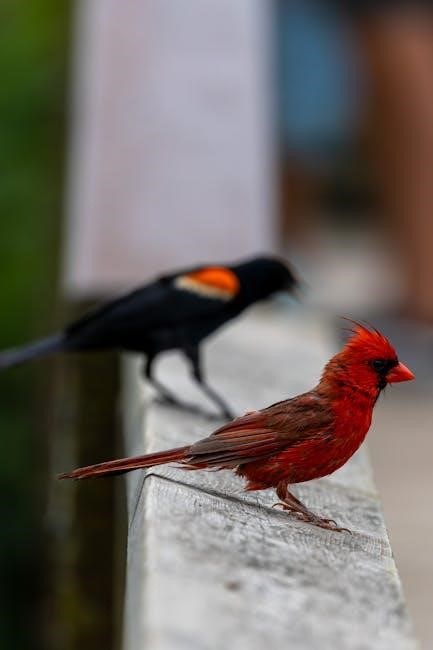
The Northern Cardinal, with its vibrant plumage, is labeled a “showoff” by Kracht, a bird obsessed with its own reflection. They relentlessly sing, not to attract a mate, but to boast about their appearance. Their bright red color isn’t a sign of health, but rather an attempt to intimidate other birds with sheer visual audacity.
Cardinals are prone to aggressive displays, attacking their own reflections and harassing other species.
Kracht’s depiction highlights their puffed-up chest and arrogant posture, perfectly capturing their self-importance.
Detailed Bird Profiles: Common Characteristics
Kracht’s profiles dissect each bird’s most irritating traits: annoying calls, tacky plumage, and remarkably illogical migratory patterns, all presented with humorous detail.
Annoying Calls and Vocalizations
A core element of Kracht’s “dumb bird” assessments centers on the sheer unpleasantness of their vocalizations. He doesn’t shy away from describing these sounds as “annoying,” meticulously detailing the qualities that make each bird’s call particularly grating.
From the persistent cooing of the Mourning Dove to the honking chaos of Canada Geese, each species receives a pointed critique of its auditory contributions to the environment.
These descriptions aren’t merely observational; they’re infused with Kracht’s signature humor, highlighting the absurdity of these avian noises and their impact on human sensibilities.
The guides effectively catalog the sounds that make birdwatching a frustrating experience for some, solidifying the “dumb” designation.
Tacky Markings and Plumage
Kracht’s assessment of “dumb birds” extends beyond behavior to encompass their aesthetic qualities – or lack thereof. He openly criticizes what he deems “tacky” markings and plumage, offering a refreshingly honest perspective on avian fashion.
The guides don’t celebrate vibrant colors or elegant patterns; instead, they highlight the birds with mismatched hues, awkward spots, or generally uninspired appearances.
This subjective evaluation adds another layer of humor to the field guides, suggesting that even in the natural world, some creatures simply lack style.
It’s a playful jab at conventional birding appreciation, focusing on the visually underwhelming.
Dumb Migratory Patterns
Matt Kracht’s guides don’t shy away from questioning the logic behind bird migration. He highlights instances where avian journeys seem unnecessarily convoluted, inefficient, or simply…dumb.
The field guides detail migratory routes that appear to defy common sense, questioning why certain birds choose longer, more perilous paths instead of more direct routes.
This isn’t a scientific critique, but rather a humorous observation of seemingly illogical behavior, adding to the overall comedic tone of the series.
Kracht playfully mocks these patterns, suggesting a lack of navigational intelligence.
Navigating the Field Guide Format
Kracht’s guides include migratory maps, bird identification tips, and insights into avian populations, presented with his signature humor and angry ink drawings.
Migratory Maps and Range Information
Each entry within the “Dumb Birds” field guides isn’t simply a description; it’s a comprehensive, albeit sarcastic, overview of the species. Crucially, these guides feature detailed migratory maps illustrating the often illogical routes these birds undertake.
Kracht doesn’t shy away from pointing out the apparent senselessness of these patterns, highlighting how some birds travel vast distances only to end up in less-than-ideal habitats.
Range information is also provided, clearly outlining where these “dumb” birds can be found, often with a humorous commentary on their prevalence in annoying locations.
These maps and details add a layer of practical, yet amusing, information to the guides;
Bird Identification Tips
While presented with a cynical edge, the “Dumb Birds” guides surprisingly offer practical bird identification assistance. Matt Kracht doesn’t just mock; he details key features, albeit framed through his unique lens of avian inadequacy.
The guides focus on easily observable characteristics – plumage, size, and shape – but with descriptions emphasizing the “tacky” or unremarkable aspects.
Crucially, identification isn’t about admiration, but about recognizing the bird’s inherent “dumbness.”
These tips, combined with Kracht’s illustrations, provide a memorable, if unconventional, approach to learning bird species.
Avian Population and Classification Insights
Beyond the humor, Kracht’s guides subtly incorporate insights into avian population dynamics and classification. He doesn’t delve into complex scientific details, but highlights the sheer abundance of certain “dumb” species, like the Canada Goose and European Starling.
The books implicitly comment on the impact of invasive species and the challenges of coexisting with common, yet often irritating, birds.
Kracht’s classification system, based on perceived intelligence (or lack thereof), offers a playful counterpoint to traditional taxonomic approaches.
This unconventional perspective encourages readers to consider birds not just as biological specimens, but as characters in a larger ecological drama.
The Appeal of the “Dumb Birds” Series
The series’ appeal lies in its unique blend of profanity and humor, attracting both bird lovers and “bird haters” with its relatable, irreverent tone.
Kracht’s work resonates with those who find amusement in the often-annoying behaviors of common bird species.
Target Audience: Bird Haters and Lovers Alike
The “Dumb Birds” series remarkably bridges a gap, appealing to a surprisingly broad audience. It’s not solely for seasoned birdwatchers; in fact, it actively courts those who find birds irritating or simply don’t understand the fascination.
Kracht’s humorous approach makes birding accessible and entertaining for newcomers, while his sharp observations resonate with experienced birders who appreciate a fresh perspective.
The books offer a shared experience – a collective chuckle at the quirks and perceived “dumbness” of these feathered creatures, fostering a sense of camaraderie among bird lovers and haters alike.
Ultimately, the series celebrates the absurdity of nature, making it enjoyable for anyone with a sense of humor.
The Blend of Profanity and Humor
A defining characteristic of the “Dumb Birds” series is its unapologetic use of profanity, interwoven with genuinely witty and insightful humor. This isn’t vulgarity for shock value; it’s strategically employed to emphasize the author’s exasperated amusement with bird behavior.
Kracht’s colorful language mirrors the frustrations many feel when encountering noisy, messy, or otherwise irritating birds, creating an immediate connection with the reader.
The profanity serves as a comedic device, highlighting the absurdity of the natural world and challenging the often-reverent tone of traditional bird guides.
This unique blend makes the series both hilarious and surprisingly relatable;
Expanding the “Dumb Birds” Universe
The “Dumb Birds” series has grown beyond field guides to include The Big Dumb Bird Journal and even OMFG, BEES!, showcasing Kracht’s expanding creativity.
These additions demonstrate a broadening appeal and a willingness to apply his humorous style to other natural subjects.
The Field Guide to Dumb Birds of North America
This inaugural volume launched the “Dumb Birds” phenomenon, offering a hilariously cynical take on common North American birds. Matt Kracht identifies backyard “idiots,” like the Canada Goose, with “humorous yet angry ink drawings.”
The guide details why these birds “suck,” covering their annoying calls, tacky markings, and remarkably dumb migratory patterns. It’s more than just identification; it’s a comedic critique.
Presented as a traditional field guide, it subverts expectations with its profane and funny commentary, attracting both bird lovers and haters alike. It’s a bestselling title!
The Field Guide to Dumb Birds of the Whole Stupid World
Expanding beyond North America, this volume tackles avian absurdity on a global scale. Matt Kracht continues his mission to identify and dissect the “dumbness” of birds worldwide, offering a broader range of targets for his witty observations.
Like its predecessor, it’s packed with facts about each bird’s annoying calls, dumb migratory patterns, and downright tacky markings, all presented with Kracht’s signature humor.
It’s an equal parts profane and funny handbook, appealing to anyone with a sense of humor and a tolerance for avian critique.
The Big Dumb Bird Journal
Expanding the “Dumb Birds” universe, this journal provides a space for bird-haters and lovers alike to document their own observations and frustrations with the avian world. Matt Kracht’s signature style permeates the pages, offering prompts and space for notes.
It’s more than just a blank notebook; it’s a companion for anyone who enjoys a good bird-related rant or a sarcastic observation.
Users can record sightings, sketch “dumb” behaviors, and generally revel in the absurdity of bird life.
Beyond Birds: Kracht’s Other Works
Matt Kracht surprised fans with “OMFG, BEES!”, showcasing a shift in enthusiasm while maintaining his signature humor and illustrative style.
This demonstrates his versatility beyond birds, proving his comedic talent extends to other areas of the natural world.
OMFG, BEES! ー A Shift in Enthusiasm?
Matt Kracht’s foray into the world of bees with “OMFG, BEES!” marked a noticeable, and somewhat unexpected, departure from his established “Dumb Birds” series.
While the “Dumb Birds” guides are characterized by a cynical, humorous observation of avian shortcomings, “OMFG, BEES!” displays a genuine, almost fervent, appreciation for these buzzing insects.
This transition, described as a “startling turn of enthusiasm,” suggests a broadening of Kracht’s interests and a willingness to explore different facets of the natural world.
However, the book retains his signature blend of wit and detailed illustration, ensuring a familiar experience for fans of his previous work.
It’s a testament to his ability to find humor and fascination in diverse subjects.

The Artistic Style of Matt Kracht
Kracht’s artistic style is defined by humorous, yet angry, ink drawings that vividly capture the perceived “dumbness” of each bird species he profiles.
These illustrations aren’t merely representational; they actively contribute to the comedic and critical tone of the field guides.
Humorous Yet Angry Ink Drawings
Matt Kracht’s illustrations are a cornerstone of the “Dumb Birds” series, immediately setting it apart from traditional field guides. He employs a distinctive style characterized by detailed, black-and-white ink drawings that are simultaneously funny and convey a sense of exasperation.
These aren’t delicate watercolors; they’re bold, expressive depictions that highlight the birds’ perceived flaws and irritating behaviors. The drawings aren’t simply of dumb birds, they feel like they were drawn by someone actively annoyed by them.
This visual approach perfectly complements Kracht’s writing, amplifying the humor and creating a uniquely engaging experience for the reader. The artwork isn’t just illustrative; it’s integral to the series’ overall comedic effect.
Visual Representation of “Dumbness”
Matt Kracht’s artistic choices actively contribute to the concept of “dumbness” within the field guides. His illustrations don’t simply depict birds; they emphasize characteristics deemed undesirable or comical – often exaggerating features associated with perceived stupidity.
The birds are frequently shown in awkward poses or exhibiting behaviors that reinforce their “dumb” classification, like a goose mid-honk with a particularly foolish expression. The stark ink style adds to the feeling of frustrated observation.
It’s a visual language of annoyance, translating Kracht’s humorous perspective into a readily understandable and entertaining form for the reader, solidifying the series’ unique identity.
The Cultural Impact of the Series
Kracht’s “Dumb Birds” series has fostered a new, humorous perspective on birdwatching, gaining traction on social media and building dedicated online communities.
The books encourage a playful, less serious approach to ornithology, resonating with both bird lovers and those who find birds irritating.
A New Perspective on Birdwatching
Matt Kracht’s work fundamentally alters the traditional birdwatching experience, injecting a dose of self-deprecating humor and relatable frustration into the hobby.
Instead of reverent observation, the “Dumb Birds” guides encourage viewers to acknowledge the often-annoying, sometimes ridiculous behaviors of common avian species.
This approach democratizes birding, making it accessible to those intimidated by complex identification guides or the perceived seriousness of the field.
The series validates the feeling that birds can be, well, dumb, fostering a sense of camaraderie among those who share this sentiment.
It’s a refreshing departure from conventional ornithological literature, offering entertainment alongside education.
Social Media and Online Communities
The “Dumb Birds” series has cultivated a vibrant online following, thriving on platforms like Instagram, Facebook, and Reddit, fueled by shareable content.
Fans enthusiastically post photos of “dumb bird” encounters, mirroring Kracht’s humorous observations and expanding the community’s collective catalog of avian absurdity.
Dedicated groups and hashtags facilitate discussions, allowing bird-haters and lovers alike to connect and share their experiences.
Kracht actively engages with his audience, further solidifying the brand’s presence and fostering a sense of belonging.
This online engagement amplifies the series’ reach and reinforces its unique cultural impact.
Where to Find the Field Guides
Matt Kracht’s “Dumb Birds” series is readily available at major booksellers like Barnes & Noble and online through Amazon.com, ensuring easy access.
Barnes & Noble
Barnes & Noble proudly carries Matt Kracht’s entire “Dumb Birds” collection, offering both paperback editions and, in some cases, opportunities to discover signed copies.
Customers can conveniently browse and purchase titles like The Field Guide to Dumb Birds of North America and The Field Guide to Dumb Birds of the Whole Stupid World directly from their website or within their extensive network of retail stores.
The bookstore often features these humorous guides in dedicated sections for nature, humor, or gift-giving, making them easily discoverable for a wide range of shoppers.
Additionally, Barnes & Noble frequently hosts author events, providing potential opportunities to meet Kracht and learn more about his unique approach to birdwatching.
Amazon.com
Amazon.com serves as a major online retailer for Matt Kracht’s “Dumb Birds” series, offering a comprehensive selection of his books, including A Dumb Birds Field Guide to the Worst Birds Ever and The Big Dumb Bird Journal.
Customers benefit from competitive pricing, convenient shipping options, and the ability to read customer reviews before making a purchase.
The platform also frequently features bundled deals and discounts on Kracht’s work, making it an attractive option for avid fans.
Digital versions may also be available, providing instant access to the humorous insights within these unique field guides.
The Future of “Dumb Birds”
Kracht’s brand has potential for new editions, species coverage, and expanded merchandise, building upon the success of his existing “Dumb Birds” universe.
Potential for New Editions and Species
Given the widespread appeal of the “Dumb Birds” series, further expansions seem highly probable. Kracht could explore regional variations, creating field guides focused on specific continents or even countries, detailing local “dumb” bird populations.
He might also delve into specialized guides, such as “Dumb Water Birds” or “Dumb Birds of Prey,” offering a more focused, yet equally humorous, examination of avian idiocy.
The addition of new species to existing guides is also likely, continually updating the catalog of birds deemed particularly “dumb” by Kracht’s discerning eye.
Perhaps even a volume dedicated to extinct “dumb” birds could be a darkly comedic endeavor!
Expanding the Brand
The “Dumb Birds” brand possesses significant potential beyond the core field guide series. Merchandise, such as t-shirts, mugs, and stickers featuring Kracht’s illustrations, could cater to the devoted fanbase.
Collaborations with nature organizations, ironically promoting bird awareness through a humorous lens, are conceivable. A “Dumb Birds” podcast or web series, featuring bird-related anecdotes and Kracht’s commentary, could further engage the audience.
Expanding into other animal categories – “Dumb Mammals” or “Dumb Insects” – leveraging the established comedic formula, is a logical step.
Ultimately, the brand’s success lies in maintaining its unique voice and irreverent charm.
Criticisms and Considerations
While humorous, the “dumb” classification is subjective and potentially misleading, risking misinterpretation of bird behavior and ecological roles.
Some may find the profanity offensive, limiting the audience, despite the books’ educational value and artistic merit.
The Subjectivity of “Dumbness”
The core concept of labeling birds as “dumb” is inherently subjective, relying on human perceptions of intelligence and behavior. What appears foolish to us – a goose blocking traffic, for example – might be perfectly logical from the bird’s perspective, driven by instinct or survival needs.
Kracht’s humorous approach intentionally exaggerates these perceived flaws, but it’s crucial to remember that birds possess unique cognitive abilities adapted to their environments.
Attributing “dumbness” can oversimplify complex behaviors and potentially diminish appreciation for the ecological importance of each species. The guides playfully challenge conventional birdwatching, but readers should approach the classifications with a critical and discerning eye.
Potential for Misinterpretation
The provocative title and intentionally harsh language within the “Dumb Birds” series carry a risk of misinterpretation. Some may perceive the guides as advocating disrespect towards wildlife, rather than offering a satirical commentary on human-centric views of intelligence.
It’s vital to recognize that Kracht’s humor is directed at our perceptions, not the birds themselves. The guides aren’t meant to encourage mistreatment or disregard for avian conservation.
Responsible readership requires understanding the satirical intent and appreciating the books as a playful critique, not a literal assessment of bird intelligence.