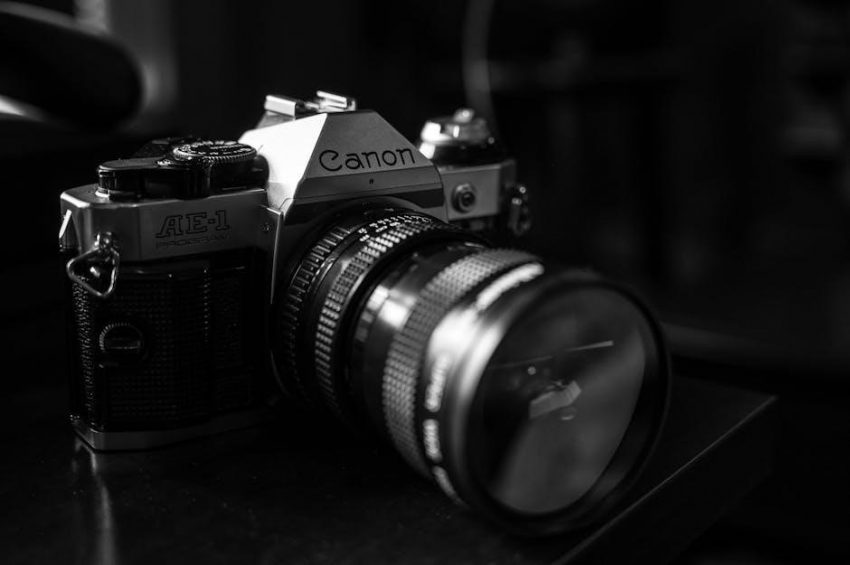
Canon AE-1: A Deep Dive into Full Manual Control
Canon AE-1 offers a robust full manual mode, alongside aperture priority and Program AE, granting photographers complete control over both shutter speed and aperture settings.
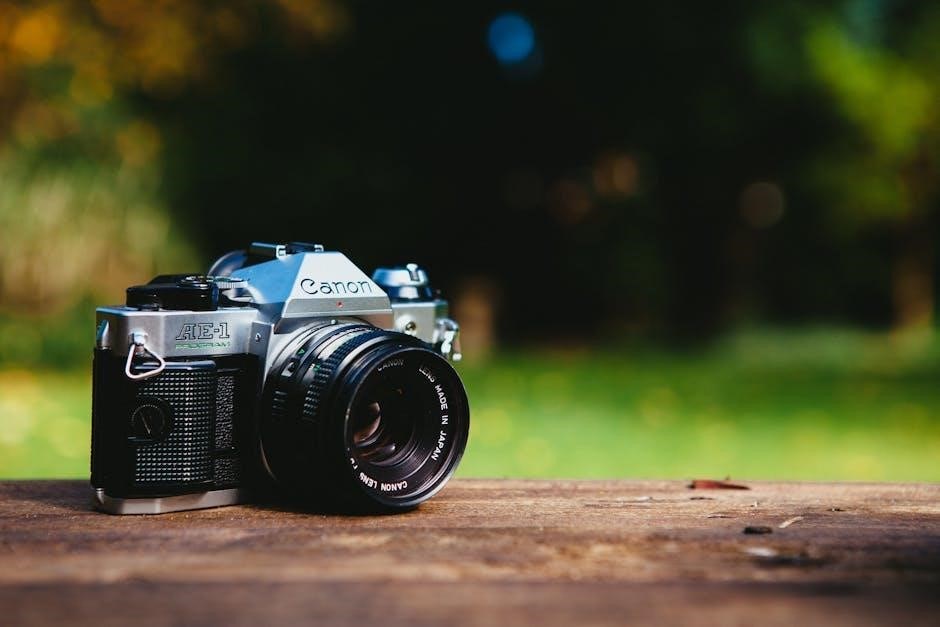
The Canon AE-1, launched in 1976, rapidly became an iconic 35mm SLR, celebrated for its blend of accessibility and photographic control. While often associated with its innovative aperture priority mode, the AE-1 doesn’t abandon traditional photography; it fully embraces manual operation; This camera offered a stepping stone for enthusiasts transitioning from fully automatic cameras, or for those desiring complete creative command.
The AE-1’s appeal lies in its versatility. It’s not just an aperture priority camera; it’s a capable fully manual machine. Photographers can independently adjust both shutter speed and aperture, fostering a deeper understanding of the exposure triangle. The AE-1 Program, a later iteration, further expanded options with a dedicated Program AE mode, but the core manual functionality remained central to its design and enduring popularity.
Historical Context of the AE-1
The Canon AE-1 arrived during a pivotal shift in camera technology, challenging established norms. Prior to the AE-1, SLRs often demanded extensive user knowledge of manual settings. Canon aimed to bridge the gap, offering a user-friendly experience without sacrificing full manual control. The AE-1 wasn’t the first SLR with automation – the Canon A-1 preceded it with all four PASM modes – but it popularized these features, making them accessible to a wider audience.
Despite the introduction of aperture priority and, later, Program AE, Canon deliberately retained a robust manual mode. This decision acknowledged the importance of fundamental photographic principles and catered to experienced photographers. The AE-1’s success demonstrated that automation and manual control could coexist, influencing subsequent camera designs and solidifying its place in photographic history.

Understanding the FD Mount System
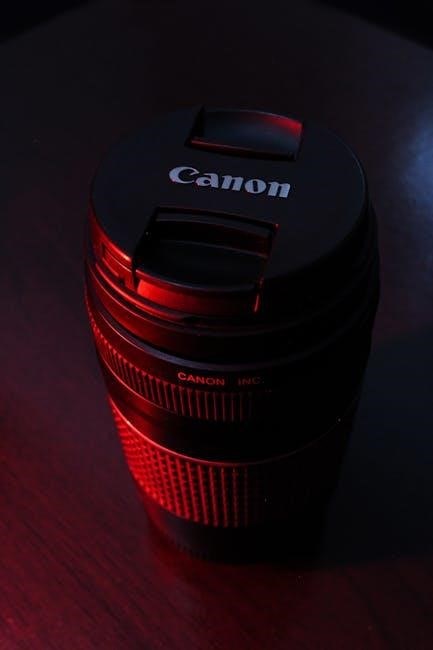
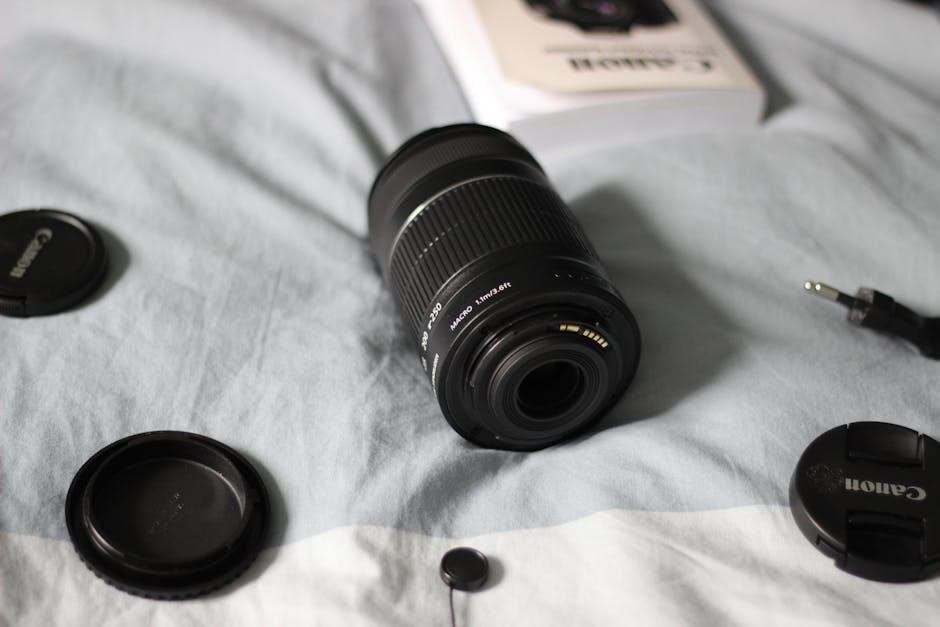
The Canon FD (Focusing Distinctive) mount is integral to the AE-1’s operation, influencing how lenses communicate with the camera body, even in full manual mode. Unlike later EF mounts, FD lenses lack electronic communication for autofocus; aperture control is primarily mechanical, managed via the aperture ring. This necessitates direct user adjustment for manual exposure, a core aspect of the AE-1’s full manual functionality.
While the AE-1 offers automated modes, the FD mount’s mechanical nature means even in those modes, the lens’s physical aperture and shutter interaction are crucial. Understanding the FD mount’s limitations and strengths is key to maximizing the AE-1’s potential, particularly when relying on complete manual control for precise exposure settings.
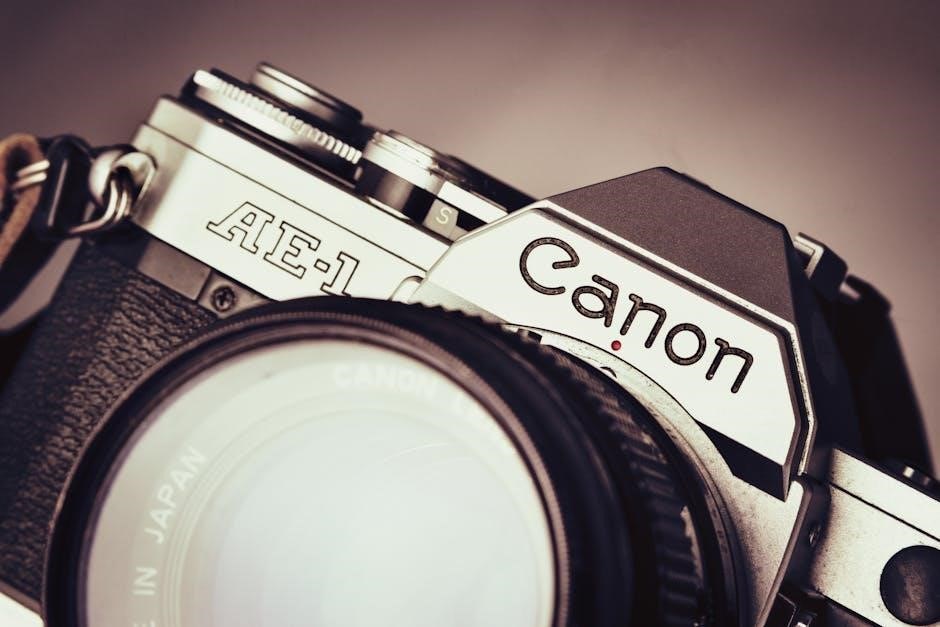
Core Features & Modes
The Canon AE-1 boasts aperture priority, shutter priority (Tv mode), Program AE, and a fully manual mode, offering versatile control over photographic outcomes.
Aperture Priority Mode Explained
Aperture priority mode on the Canon AE-1 allows photographers to select the desired aperture, controlling depth of field and creative effects like bokeh. The camera then automatically determines the appropriate shutter speed for correct exposure. This is incredibly useful for situations where depth of field is paramount – for example, achieving a shallow depth of field for portraiture or maximizing depth of field for landscapes.
While not a fully manual mode, aperture priority offers significant creative control. The photographer dictates the aesthetic, while the camera handles the technical aspect of exposure time. It’s a fantastic stepping stone for those transitioning from fully automatic modes, providing a balance between control and convenience; The AE-1’s implementation of this mode is reliable and straightforward, making it a favorite among enthusiasts.
Shutter Priority Mode (Tv Mode) & Program AE
The Canon AE-1’s shutter priority (Tv) mode lets photographers choose the shutter speed, freezing motion or creating motion blur, while the camera calculates the corresponding aperture. Setting the AE Mode Selector to Tv and the lens aperture to ‘A’ enables this function. This is ideal for sports photography or capturing flowing water. Program AE, a later addition with the AE-1 Program model, takes automation further.
In Program AE, the camera independently selects both aperture and shutter speed, offering a convenient, hands-off shooting experience. However, it’s important to remember that while these modes offer convenience, they don’t provide the complete control of full manual operation. They represent a bridge between automated and manual settings, enhancing versatility.
Fully Manual Mode: Taking Complete Control
The Canon AE-1 truly shines in fully manual mode, empowering photographers with absolute command over exposure. This mode demands understanding the interplay between aperture, shutter speed, and ISO. Selecting manual mode on the AE Mode Selector allows independent adjustment of both aperture (using the lens ring) and shutter speed (via the dial).
This is where photographic artistry flourishes, as you dictate depth of field and motion representation. While the AE-1 offers helpful metering, in manual mode, it serves as a guide, not a dictator. Mastering manual mode unlocks the camera’s full potential, fostering a deeper connection between photographer and image, and offering creative freedom beyond automated settings.

Camera Components & Their Functions
Essential components like the AE Mode Selector, aperture ring, and shutter speed dial are crucial for utilizing the Canon AE-1’s full manual capabilities.
The AE-1 Program Mode Selector
The AE-1 Program’s mode selector is central to its versatility, offering photographers choices beyond simple automatic operation. While celebrated for its Program AE mode – a feature added in later iterations – the camera doesn’t abandon full manual control. This selector allows switching between shutter priority (Tv), aperture priority (Av), and, crucially, a fully manual mode where the photographer dictates both aperture and shutter speed.
Setting the dial to ‘P’ activates the Program AE, letting the camera determine optimal settings. However, experienced users often prefer the direct control of manual mode, utilizing the selector to bypass automated systems. The ‘Tv’ setting enables shutter priority, while ‘Av’ activates aperture priority. Understanding this selector is key to unlocking the AE-1’s full potential, especially for those desiring complete creative command.
Aperture Ring and its Significance
The aperture ring on an FD lens, crucial for Canon AE-1 operation, directly impacts depth of field and light intake. In full manual mode, this ring becomes paramount, allowing precise control over the lens’s diaphragm. Selecting a wider aperture (smaller f-number) creates a shallow depth of field, ideal for isolating subjects, while a narrower aperture (larger f-number) maximizes depth of field for landscapes.
When utilizing Program AE or shutter priority, the aperture ring often needs to be set to ‘A’ (automatic), relinquishing control to the camera. However, in manual mode, the photographer independently sets the aperture, working in tandem with the shutter speed dial to achieve proper exposure. Mastering the aperture ring is fundamental to harnessing the AE-1’s creative capabilities and achieving desired photographic effects.
Shutter Speed Dial Operation
The Canon AE-1’s shutter speed dial governs the duration the camera’s sensor is exposed to light, directly influencing motion blur and overall image brightness. In full manual mode, this dial is essential; photographers select speeds from 2 seconds to 1/1000th of a second, balancing it with the aperture setting for correct exposure. Faster shutter speeds freeze motion, while slower speeds allow for creative motion blur.
When using aperture priority or Program AE, the dial shifts to controlling exposure compensation or, in Tv mode, directly setting the shutter speed while the camera manages aperture. Understanding the interplay between shutter speed and aperture is key to mastering the AE-1, especially when operating in full manual, demanding deliberate control for artistic vision.
ISO Setting and its Impact
The Canon AE-1 allows for manual ISO setting, typically ranging from 25 to 400, influencing the film’s sensitivity to light. In full manual mode, correctly setting the ISO is crucial for accurate exposure calculations alongside aperture and shutter speed. Lower ISO values (e.g., 25) yield finer grain and require more light, ideal for bright conditions. Higher ISOs (e.g., 400) are suited for low light, but introduce more noticeable grain.
While the camera doesn’t automatically adjust ISO, understanding its impact is vital. When utilizing Program AE or aperture priority, the chosen ISO dictates the camera’s metering decisions. Proper ISO selection ensures optimal image quality and prevents underexposure or overexposure, particularly when shooting in challenging lighting scenarios.
Using the AE-1 in Full Manual Mode
The Canon AE-1’s full manual mode empowers photographers to independently control both shutter speed and aperture, achieving precise exposure and creative effects.
Metering with the AE-1
The Canon AE-1 utilizes a center-weighted metering system, crucial for achieving correct exposure, even in full manual mode. This means the camera prioritizes the light reading from the center of the frame. A needle in the viewfinder indicates exposure levels; centering it ensures proper illumination.
When operating in manual mode, the meter doesn’t control the camera – it guides you; You adjust the aperture and shutter speed until the needle aligns with the zero mark, signifying a balanced exposure according to the camera’s assessment. Understanding this system is vital. Remember, the AE-1’s meter is reactive to the settings you choose, providing feedback rather than automatic adjustments. This empowers full creative control, but demands a solid grasp of exposure principles.
Focusing Techniques with the AE-1
The Canon AE-1, being a manual focus camera, requires deliberate focusing techniques. Unlike modern autofocus systems, you directly manipulate the focusing ring on the FD mount lens. Split-image and fine-matte focusing screens are common, aiding in achieving sharpness. The split-image shows a blurred image that aligns when in focus, while the fine-matte provides a clearer, though less distinct, focusing aid.
In full manual mode, precise focusing is paramount. Practice is key to quickly and accurately achieving sharpness. Pre-focusing on a point and then recomposing can be effective, but be mindful of potential depth-of-field shifts. Mastering these techniques unlocks the AE-1’s potential, allowing for beautifully focused images entirely under your control.
Exposure Compensation in Manual Mode
When utilizing the Canon AE-1 in full manual mode, exposure compensation isn’t automatic; it’s entirely your responsibility. The camera’s built-in meter assists, but interpreting its reading and adjusting settings is crucial. Consider the scene’s dynamic range – bright highlights and dark shadows – and choose an aperture and shutter speed accordingly.
Understanding the Sunny 16 rule provides a baseline for estimating correct exposure. Bracket your shots – taking multiple images at slightly different exposures – to ensure you capture the desired result. Regularly reviewing your images and learning from them refines your judgment, leading to consistently well-exposed photographs with the AE-1.
Troubleshooting Common Issues
Despite its reliability, the Canon AE-1 can experience metering inaccuracies or lens compatibility problems, especially when utilizing full manual control settings.
Dealing with Metering Inaccuracies
The Canon AE-1, while excellent, isn’t immune to metering quirks, particularly when relying on full manual mode. Older cameras can develop inaccuracies over time due to aging components within the metering system. Regularly check the meter’s reading against a known good light source, and compare it with a handheld light meter if available.
If discrepancies arise, exposure compensation becomes crucial. Utilize the manual override function to adjust the aperture or shutter speed based on your judgment. Remember that strong backlighting or scenes with high contrast can often fool the meter, leading to underexposure.
Furthermore, ensure the battery is fresh, as a weak battery can affect metering performance. Clean the film chamber and pressure plate, as dust or debris can interfere with accurate readings. Understanding these potential issues and employing corrective measures will ensure consistently well-exposed photographs, even in challenging conditions when using full manual control.
Lens Compatibility and Adaptations
The Canon AE-1 utilizes the FD mount, offering compatibility with a vast array of Canon FD and New FD lenses. These lenses are integral to achieving full manual control, as they provide physical aperture and focus rings. However, adapting modern lenses to the AE-1 requires adapters, which can sometimes impact infinity focus or metering functionality.
When using adapted lenses in full manual mode, precise focusing and exposure calculation become paramount, as the camera won’t automatically communicate with the lens. Ensure the adapter is securely fitted and doesn’t introduce light leaks.
While FD lenses are ideal, exploring adapted options expands creative possibilities. Remember to research adapter compatibility and potential limitations before investing, prioritizing those that maintain optical quality and minimize operational issues when utilizing the camera’s full manual capabilities.
Battery Considerations for the AE-1
The Canon AE-1 relies on a 4LR44 or equivalent 6V battery to power its light meter, crucial for accurate exposure readings in full manual mode. While the camera can operate mechanically without a battery – allowing shutter firing and aperture control – metering functionality is lost, demanding external light meters or the “sunny 16” rule.
Battery life varies based on usage, but frequent use in manual mode, constantly activating the meter, will deplete it faster. Consider investing in rechargeable batteries to reduce costs and environmental impact.
Always ensure a fresh battery is installed before extended shooting sessions, especially when relying on the meter for precise exposure in full manual control. A weak battery can lead to inaccurate readings and compromised images.

The AE-1’s Legacy and Modern Relevance
Despite advancements, the Canon AE-1’s full manual capabilities and accessible design continue to attract photographers seeking a tactile, hands-on shooting experience today.
Comparison with Canon A-1
While both the Canon AE-1 and A-1 are iconic FD mount SLRs, key differences exist regarding manual control and automation. The A-1, released earlier, boasted all four PASM modes – Program, Aperture Priority, Shutter Priority, and Manual – offering a more comprehensive automated experience. The AE-1, however, initially focused on aperture priority with manual override.
Though the AE-1 Program later added a Program AE mode, the A-1 retained an edge with its stopped-down aperture-priority functionality. Crucially, both cameras provide full manual control, allowing photographers to dictate both aperture and shutter speed. However, the A-1’s more extensive automation features might appeal to those seeking convenience, while the AE-1’s simpler approach resonates with purists desiring a direct connection to the photographic process. Both remain capable tools for mastering manual photography.
Why the AE-1 Remains Popular Today
The Canon AE-1’s enduring appeal stems from its blend of accessibility and control, particularly its robust full manual mode. It democratized SLR photography, making it approachable for enthusiasts while still offering the depth needed for experienced photographers. Its reliability and versatility contribute to its continued use, even in the digital age.
The AE-1’s FD mount allows access to a wide range of affordable, high-quality lenses. Furthermore, its mechanical nature means fewer components are prone to failure compared to more electronically complex cameras. The ability to shoot fully manually fosters a deeper understanding of photographic principles. For those seeking a tactile, engaging experience and a gateway to film photography, the AE-1 remains a compelling and iconic choice.