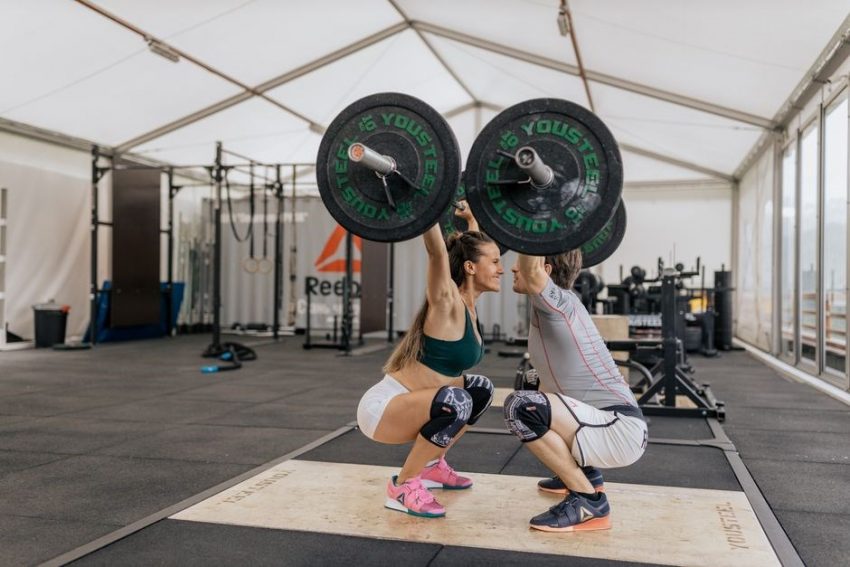
Overview of Fitness Concept Zones
Concept zones are purpose‑designed indoor spaces that align with national fitness standards, enabling schools to deliver structured exercise programs. They integrate cardiovascular, strength, and flexibility areas, mapped to age‑specific metrics, and support data tracking and adaptive training.
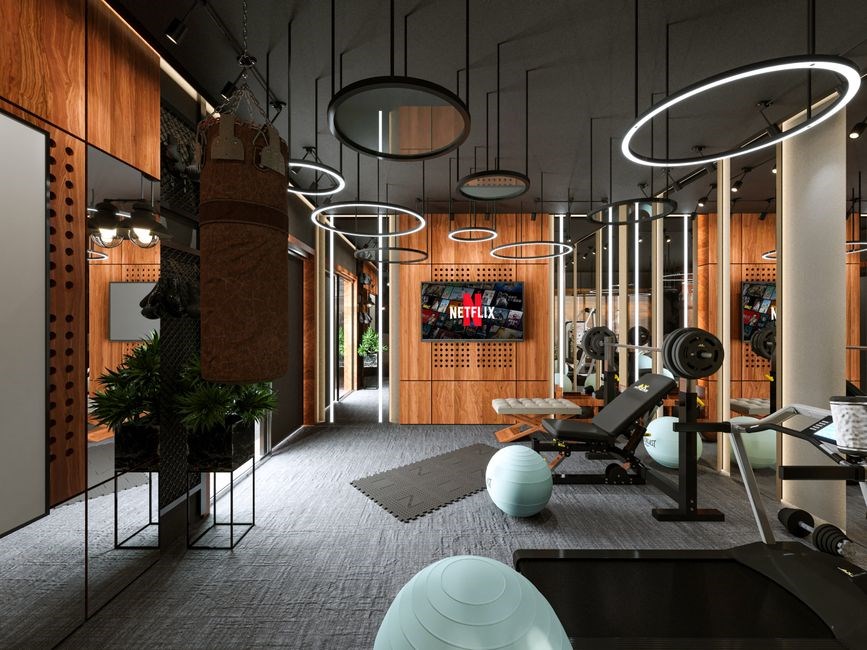
Definition and Terminology
Fitness concept zones are distinct indoor areas designed to meet specific exercise objectives and align with national fitness standards. Each zone is defined by its primary function—cardiovascular, strength, flexibility, or recovery—and is equipped with equipment and spatial layouts that support age‑appropriate, evidence‑based training protocols. The terminology used in PDF fitness plans reflects this structure: “Studio” refers to a multipurpose space that can host group classes; “Gym” denotes a larger area with free‑weight and resistance‑machine stations; “Suite” is a smaller, specialized room for targeted skill work; and “Zone” is a broader category encompassing any of these configurations that meets the criteria for a Healthy Fitness Zone (HFZ). The PDF format standardizes the presentation of these concepts, ensuring that schools can document current fitness levels, set measurable goals, and track progress against national benchmarks such as the FITNESSGRAM and PACER tests. By adopting consistent terminology, educators and health professionals can communicate clearly across programs, facilitate data sharing, and maintain compliance with Sport England’s 2008 revision guidelines.
In practice, these zones are mapped onto school facilities using a grid system that aligns with classroom dimensions, ensuring safe movement and use of space. Teachers can reference the PDF template to assign students to appropriate zones based on their assessed fitness level, allowing differentiated instruction that meets the Healthy Fitness Zone thresholds. Regular assessment cycles, recorded in the PDF, provide a transparent record of progress, enabling stakeholders to adjust programming, allocate resources, and celebrate achievements in a structured, evidence‑based framework for growth and continuous improvement.!!!!!!!
Evolution of the Concept (2008 Sport England revision)
The 2008 Sport England revision marked a turning point for school‑based fitness spaces by formalising the term “fitness concept zones” and treating studios, gyms, suites and zones as largely interchangeable descriptors. The revision introduced a glossary (see Appendix 1) that standardised definitions for cardiovascular, aerobics, Pilates and related activities, allowing brands to label spaces while still meeting national Healthy Fitness Zone criteria. By linking each zone to specific PDF‑based fitness plans, schools could map a student’s current cardio level, set measurable goals, and record outcomes using the same template across the country. This harmonisation encouraged the design of purpose‑built indoor areas—open exercise spaces that support both individual testing (PACER, VO2max, Flexed Arm Hang) and group instruction—while ensuring that data capture and reporting remained consistent with the FITNESSGRAM standards. The revision also emphasised the importance of flexible layouts, enabling facilities to adapt quickly to curriculum changes and to integrate emerging fitness trends without compromising the core HFZ benchmarks. Additional research after 2008 highlighted the need for digital integration, prompting the creation of standardized PDF templates that embed zone specifications, test protocols and progress charts, allowing educators to upload results directly into national databases and generate automated compliance reports for local authorities. It aids yearly data reviews for all.

Core Standards Embedded in PDFs
The template also stores historical data for!!
Healthy Fitness Zone (HFZ) Criteria for Boys and Girls
The FitnessGram HFZ tables define age‑specific performance bands that determine whether a child is “in the zone” for each test. For boys, Version 10.x lists three bands: a “Below HFZ” range (e.g., 5 to < 8.8 laps), an “HFZ” range (8.9 to 18.8 laps) and an “Above HFZ” range (≥ 18.9 laps) on the 20‑meter PACER. Girls use a similar three‑band structure, but the cut‑points differ; the HFZ for girls typically falls between 8.9 and 18.8 laps, with “Below” and “Above” zones defined by the same numeric limits.
In addition to the PACER, the HFZ incorporates the Modified Flexed‑Arm Hang, the Sit‑and‑Reach stretch, the Trunk‑Lift, and the Shoulder‑Lift/Push‑up series. Each test records a raw score (seconds, centimeters, or repetitions) that is compared against the age‑specific table. A “Yes/No” indicator shows whether the required distance or duration has been met. For example, a 10‑year‑old girl must achieve at least 900 mm in the Trunk‑Lift and hold the Flexed‑Arm Hang for the prescribed time to earn a “Yes” for those components.
All results are entered into a PDF‑based Fitness Plan, which automatically calculates VO₂max equivalents from the PACER laps, converts body‑mass data into BMI percentiles, and flags any test that falls outside the HFZ. The PDF also stores historical scores, allowing schools to track progress over multiple years and adjust programming accordingly. Data are reviewed each term.!
Key Fitness Tests (PACER, VO2max, Flexed Arm Hang)
Key fitness tests form the backbone of a PDF‑based fitness plan, providing objective, age‑appropriate metrics that align with national standards. The 20‑meter PACER test remains the most widely used aerobic assessment; students complete successive laps at a progressively faster pace, with the final lap count converted to a VO₂max estimate via a validated formula. This VO₂max value is then plotted against percentile curves to determine whether a child is below, within, or above the Healthy Fitness Zone. The Flexed‑Arm Hang measures upper‑body muscular endurance; participants hold a horizontal position with arms fully extended, and the time held is recorded in seconds. The test is scored against age‑specific cut‑points, and a “Yes/No” flag indicates compliance with the HFZ threshold. Both the PACER and Flexed‑Arm Hang are administered in a standardized setting, with clear instructions, timing devices, and safety protocols. The PDF template automatically captures raw data, calculates VO₂max, applies percentile conversion, and flags any out‑of‑zone results. This automated workflow reduces administrative burden, ensures consistency across schools, and provides immediate feedback to students and coaches. By embedding these core tests into the PDF, facilities can maintain rigorous monitoring, track longitudinal progress, and adjust training loads to meet individual goals while remaining compliant with Sport England’s 2008 revision guidelines. These metrics also support data sharing with health professionals, enabling integrated care pathways for students who demonstrate exceptional or concerning fitness levels. Moreover, the PDF’s built‑in analytics allow coaches to generate trend graphs, highlighting improvements or plateaus over successive testing periods. Students can view their own progress charts within the PDF, fostering ownership and motivation. The PDF also supports export to CSV, enabling researchers to analyze large datasets across schools daily for.
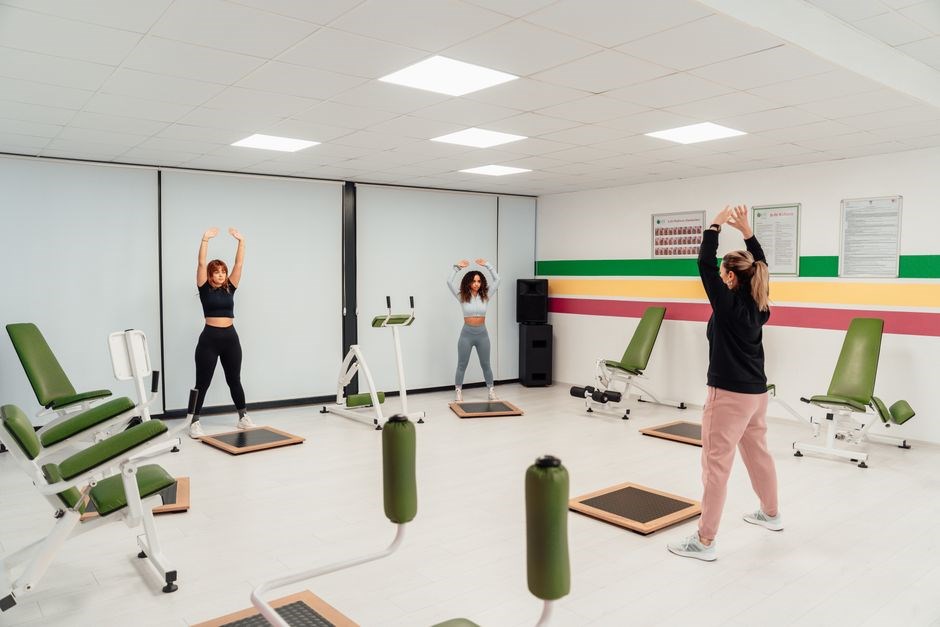
Structuring the PDF Fitness Plan
PDF plans feature a modular layout: Current Level, Goals, Progress, and Action Steps. Each section auto‑fills with test data, benchmarks, and personalized recommendations, ensuring consistency across schools and easy teacher updates. for growth & health.!!
Standard Layout and Sections (Current Level, Goals, etc.)
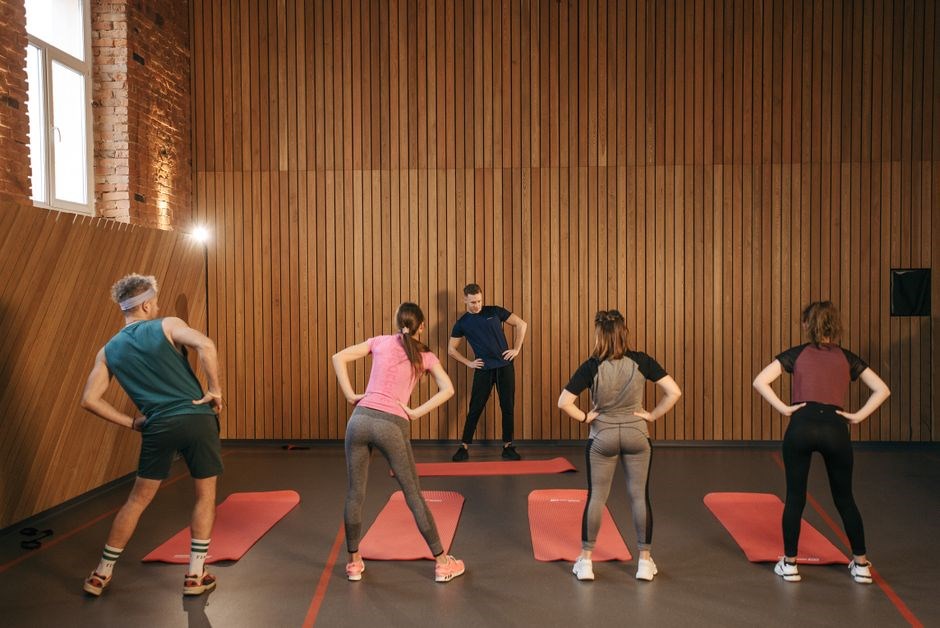
The PDF fitness plan follows a consistent, teacher‑friendly structure that aligns with the Healthy Fitness Zone (HFZ) framework. At the top, the “Current Level” section displays the student’s latest test results—PACER laps, VO₂max estimate, and flexibility scores—alongside age‑specific percentile rankings. This snapshot allows educators to quickly gauge where each pupil stands relative to national benchmarks. Below that, the “Goals” area lists short‑term targets (e.g., increase PACER laps by 10% in 12 weeks) and long‑term objectives (e.g., achieve HFZ status by year‑end). Each goal is paired with a SMART action plan: specific activities, frequency, and intensity. The “Progress Tracker” tab provides a table where teachers can record weekly or monthly data, automatically recalculating percentiles and highlighting improvements or plateaus. A “Resources & Tips” column supplies evidence‑based exercise suggestions, nutrition pointers, and motivational strategies tailored to the student’s age group. Finally, the “Reflection & Next Steps” section invites students to note challenges, celebrate successes, and set the agenda for the next cycle. The layout is designed for rapid data entry, instant visual feedback, and seamless integration with school reporting systems, ensuring that the PDF remains a living document that evolves with each student’s journey toward optimal fitness. Teachers can also attach scanned test sheets or QR codes linking to digital results, ensuring data integrity and reducing manual entry errors. The PDF’s built‑in color coding—green for meeting targets, amber for approaching, red for below—provides an at‑glance health status; All sections are fully editable, allowing schools to customize terminology or add local policies without compromising the core HFZ alignment.
Sample Templates and Download Sources
Schools seeking ready‑made PDF fitness plans can access a curated library of templates that mirror the HFZ structure. The Sport England PDF Toolkit offers a “Current Level” sheet, a “Goal Setting” form, and a “Progress Log” that automatically updates percentile calculations. The toolkit is downloadable in Word, PDF, and Excel formats, allowing teachers to convert or embed data directly into the school’s LMS. Another popular source is the UK Fitness Standards Portal, which hosts a set of editable PDFs that include pre‑filled age brackets and standard test references. Users can download the templates via a secure portal, then customize the “Resources & Tips” section with local activity recommendations. For schools that prefer a more visual approach, the FitTrack Academy offers a drag‑and‑drop PDF builder that lets educators insert icons, color‑coded progress bars, and QR codes linking to video demonstrations. All templates are compliant with the 2008 Sport England revision and include the latest HFZ criteria for boys and girls. To ensure accessibility, the PDFs are optimized for screen readers and include alt text for all images. Download links are provided in the “Resources” tab of each template, and a quick‑start guide explains how to populate fields, calculate VO₂max estimates, and export data for reporting. By leveraging these ready‑made resources, schools can focus on delivering high‑quality instruction while maintaining rigorous data integrity and compliance with national fitness standards.
For institutions that require multilingual support, the templates can be translated using the built‑in language toggle, which preserves formatting and calculation logic. Additionally, the FitPlan API allows integration with existing student information systems, automatically pulling demographic data and syncing progress updates in real time. The API documentation is freely available on the Sport England developer hub, and sample scripts for Python, JavaScript, and PHP are included. Finally, a community forum hosted by the National Fitness Association provides peer‑reviewed customizations, such as seasonal activity calendars and adaptive training modules for students with special educational needs. All resources are licensed under a Creative Commons BY‑NC‑SA, ensuring that schools can share and adapt the materials without licensing fees. All files remain free and can be shared with colleagues.all

Practical Application in Facilities
Design studios, gyms, and suites to match Healthy Fitness Zone standards. Allocate cardio zones for PACER runs, strength corners for Flexed Arm Hang, and flexibility bays for stretch tests. Choose equipment that records VO₂max and feeds PDF reports…
Designing Studios, Gyms, and Suites for Specific Zones
Translating the PDF fitness framework into tangible spaces begins with a zone‑by‑zone mapping that respects the specific assessment criteria. Cardio studios are laid out with a 20‑meter track, clearly marked for PACER laps, and fitted with timing mats that can feed data directly into the PDF record; The track width is at least 2.5 m to accommodate two lanes, and the surface is a low‑impact, anti‑slip material to reduce injury risk. Strength suites feature adjustable benches, a full range of free‑weight racks, and pull‑up stations, allowing students to perform Flexed Arm Hang, Push‑ups, and Pull‑ups while the equipment’s built‑in counters log repetitions for the PDF. Flexibility bays contain padded mats, resistance bands, and mirror panels, guiding proper form for sit‑and‑reach and trunk lifts; a digital display updates real‑time metrics so students can see progress against the PDF targets. Each room’s ceiling height is at least 3 m, flooring is shock‑absorbent, and lighting is bright yet diffused to reduce glare on screens. Signage uses the PDF’s color‑coded zones, and a central hub hosts a tablet that aggregates data from all zones, feeding directly into the PDF reporting system. Ventilation is designed to maintain air quality during high‑intensity sessions. Future upgrades may add smart sensors for personalized training.
Equipment Recommendations Aligned with PDF Standards
Equipment selection must mirror the metrics outlined in the PDF fitness plan. For cardiovascular zones, a 20‑meter indoor track with embedded timing mats and a calibrated treadmill set to 0.5‑km increments allows precise PACER lap recording. Strength stations should include adjustable benches, a full set of free‑weight racks (dumbbells 2;5–50 kg, barbells 5–20 kg), and pull‑up rigs with weighted plates up to 15 kg to meet the Flexed Arm Hang and Pull‑up thresholds. Resistance bands ranging from 5 lb to 50 lb provide progressive overload for core and flexibility drills. For flexibility and mobility, a 2 m wide, 3 m long mat area with foam rollers, yoga blocks, and a sit‑and‑reach apparatus ensures accurate measurement against the PDF’s trunk lift and sit‑and‑reach standards. All equipment should feature digital counters or be compatible with an integrated app that logs repetitions and laps, automatically syncing to the PDF database. Safety is paramount; all free‑weight racks must have safety bars, and cardio machines should have emergency stop buttons. Flooring should be anti‑slip, shock‑absorbent, and meet ASTM F1292 for gym surfaces. Lighting must be uniform and adjustable to reduce glare on digital displays. Finally, each zone should have a dedicated tablet or kiosk that pulls real‑time data from the equipment, allowing coaches to adjust training loads instantly and keep the PDF records current. All metrics are recorded.
Monitoring, Reporting, and Adjustments
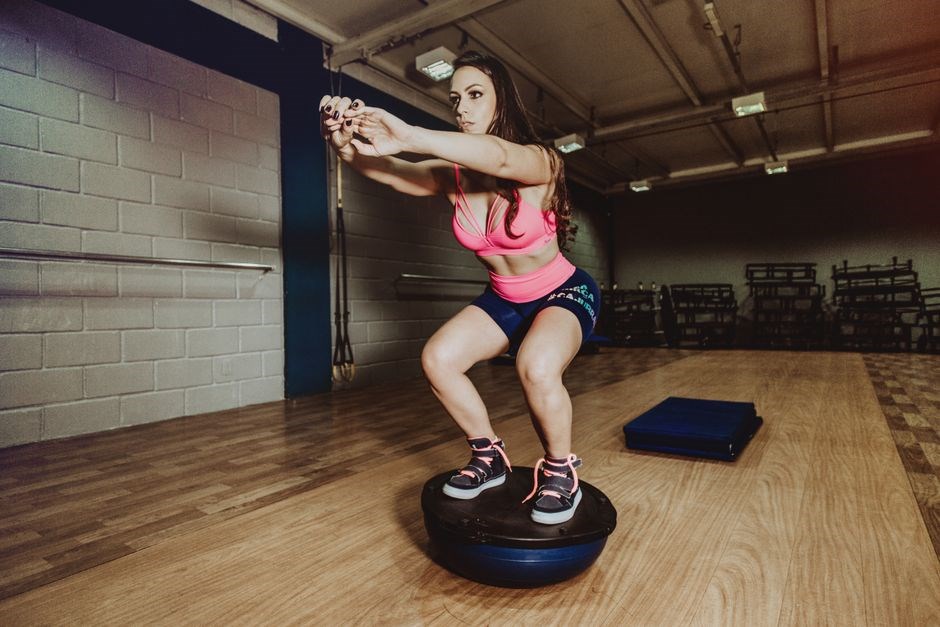
Data capture uses QR‑coded wristbands synced to a cloud platform that auto‑generates PDF reports. Coaches review weekly dashboards, adjust load based on PACER laps and VO₂max trends, and update goals in the PDF plan. Progression and real‑time data sync for staff.
Data Capture Methods and PDF Reporting
Data capture in fitness concept zones is anchored by a unified digital ecosystem that merges wearable sensors, QR‑coded wristbands, and manual entry stations. Each learner is assigned a unique identifier that streams real‑time heart‑rate, step count, and exercise duration directly to a secure cloud database. Educators can pull instantaneous snapshots or aggregate trend data across cohorts, enabling evidence‑based adjustments to training loads. The platform automatically translates raw metrics into standardized fitness indices such as VO₂max, PACER laps, and flexibility scores, which are then embedded into a dynamic PDF report. These reports are generated on a weekly and daily cadence, with a customizable template that highlights key performance indicators, progress bars, and comparative benchmarks against national standards. The PDF format is chosen for its portability and compatibility with school record‑keeping systems, while the underlying data remains editable in a companion spreadsheet for deeper analysis. Importantly, the system supports conditional formatting: if a student’s VO₂max falls below the healthy fitness zone threshold, the PDF flags this with a red alert and suggests specific interval training protocols. Feedback loops are closed by allowing students to annotate their own perceptions of fatigue or soreness, which are then mapped to objective data points. Finally, the platform offers API access so that third‑party wellness apps can sync with the PDF ecosystem, ensuring that all stakeholders—from physical education teachers to health coaches—have a unified view of each learner’s trajectory.